
Patch Tuesday Without the Panic: How to Prioritize 974 Microsoft CVEs
Patch Tuesday can feel like a wall of numbers. Microsoft's September 2026 release listed 974 Microsoft CVEs and republished 25 non-Microsoft CVEs. Two Windows elevation-of-privilege vulnerabilities were marked Exploitation Detected.
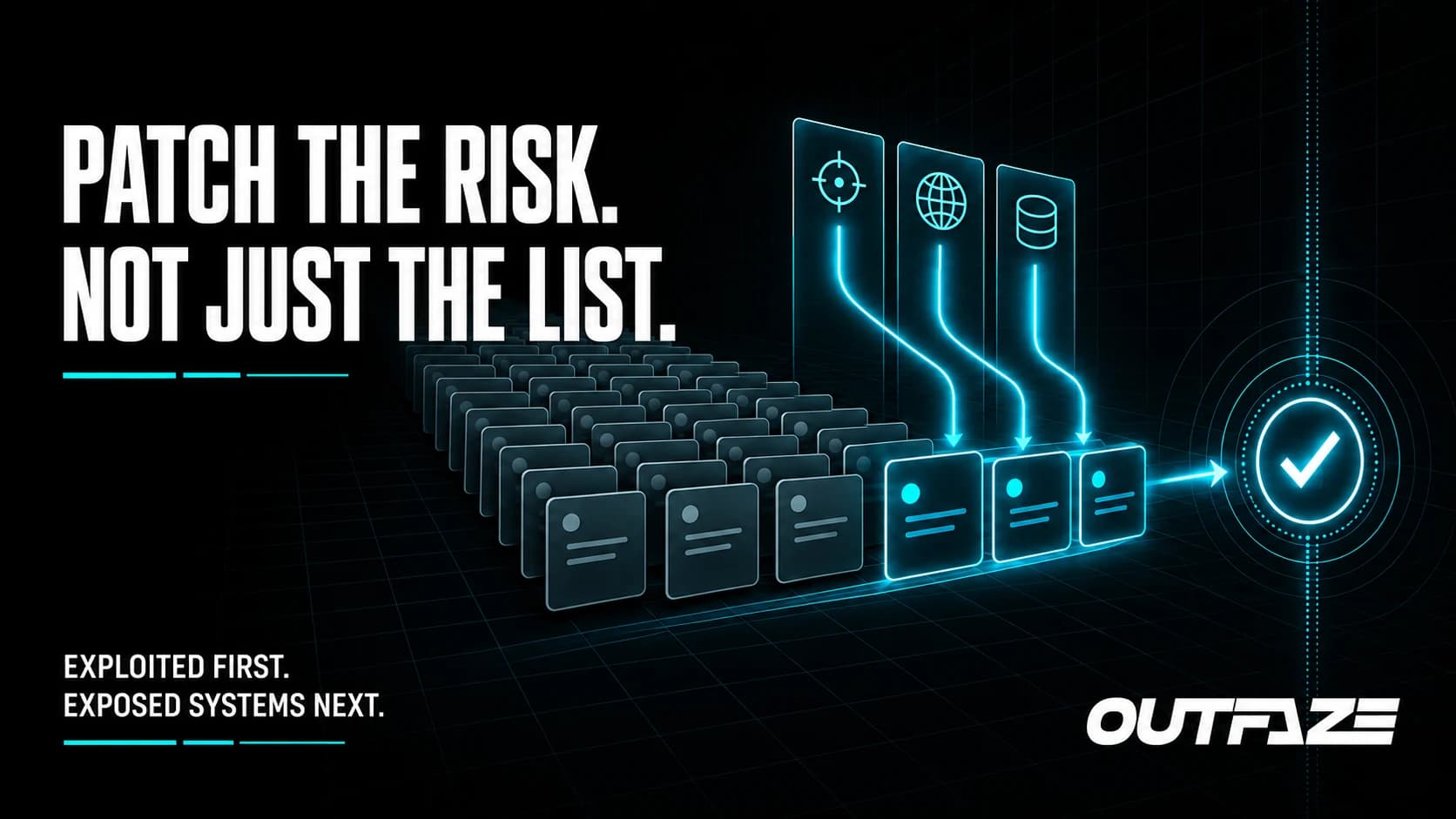
The useful question is not, “How do we patch 974 vulnerabilities at once?” It is, “Which vulnerable systems create the most immediate risk to this business?”
That shift turns patching from a monthly panic into a repeatable risk decision.
Start with what attackers are already using
Microsoft highlighted two vulnerabilities with exploitation detected:
- CVE-2026-81963, an elevation-of-privilege vulnerability in the Windows Update Stack; and
- CVE-2026-85880, an elevation-of-privilege vulnerability in Windows Advanced Local Procedure Call.
Elevation-of-privilege flaws usually require some level of access first, but that does not make them unimportant. Attackers often combine an initial foothold—such as phishing, stolen credentials, or another vulnerability—with privilege escalation to gain greater control.
Systems exposed to the internet, used by administrators, holding sensitive data, or supporting critical operations should move to the front of the queue when affected.
Use a practical priority order
A useful patching sequence is:
- Actively exploited vulnerabilities. Treat credible exploitation evidence as an urgent signal.
- Internet-facing and remote-access systems. These are reachable before an attacker enters the network.
- Identity, management, and security infrastructure. Compromise here can expand access quickly.
- Critical business systems. Prioritize assets whose outage or compromise would materially interrupt operations.
- High-impact weaknesses with a realistic path to exploitation. Consider required access, complexity, available mitigations, and exposure—not the severity score alone.
Asset inventory is what makes this possible. A vulnerability list without reliable knowledge of devices, software versions, ownership, and business purpose cannot produce a trustworthy priority.
Patch quickly without patching blindly
Emergency patching still needs control. Test updates against a representative set of devices and critical applications, but keep the test window proportionate to the threat. A vulnerability being exploited now should not sit in a week-long routine change queue.
Use deployment rings where practical:
- a small validation group;
- a broader group representing normal users and applications; and
- the remaining affected estate.
Define rollback and recovery steps before deployment. For systems that cannot be patched immediately, document the owner, reason, compensating controls, and deadline. Exceptions should expire; they should not become permanent by accident.
Verify that the update actually landed
“Deployment started” is not the same as “risk removed.” Confirm installation status, required restarts, device check-in, and the final software version. Investigate endpoints that remain offline or repeatedly fail.
For exploited vulnerabilities, patching also does not prove the system was clean beforehand. Review relevant endpoint, identity, and network activity for signs of compromise. If the system may have been exposed while vulnerable, the response needs both remediation and investigation.
How Outfaze can help
Outfaze helps organizations build a risk-based process through vulnerability assessment, managed patch management, and managed detection and response.
We can help identify affected assets, prioritize them by exposure and business impact, coordinate remediation, track exceptions, verify completion, and investigate suspicious activity around high-risk systems.
The number of updates will keep changing. The durable advantage is knowing what you own, what matters most, and whether the fix was actually completed.