
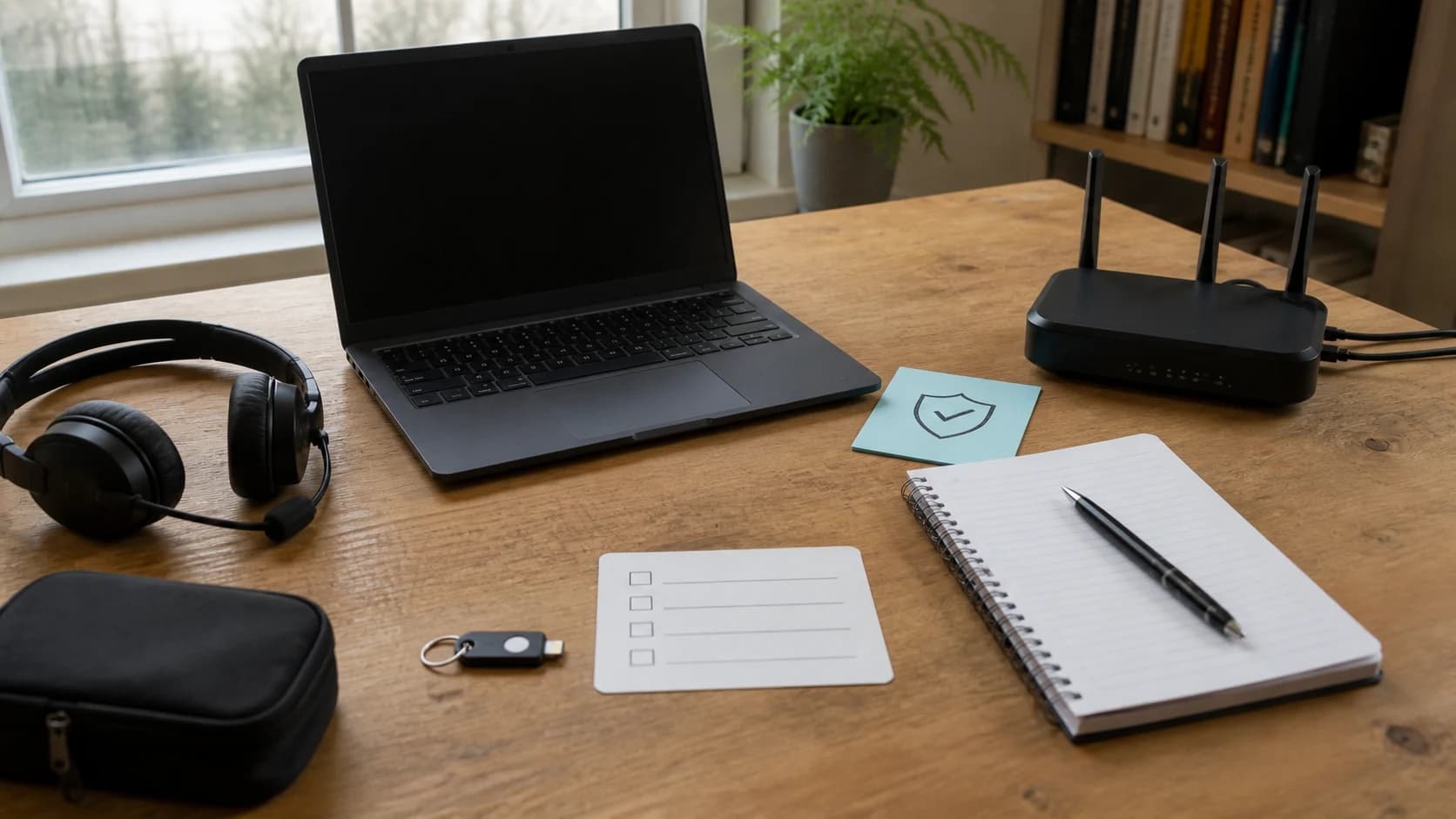
Remote Work Security Lessons From the 2020 Shift
The rapid shift to remote work in early 2020 compressed years of technology and policy change into weeks. Organizations expanded VPNs, cloud collaboration, personal-device use, remote support, and new communication habits while attackers adapted phishing and impersonation to the same uncertainty.
CISA and the United Kingdom's NCSC warned in April 2020 that malicious actors were exploiting COVID-19 themes. The durable lesson is that emergency access should be designed for safety and later normalized through deliberate review.
The perimeter moved faster than governance
Users connected from unmanaged networks and devices, support teams solved problems without in-person verification, and new SaaS applications appeared outside established review. Capacity fixes sometimes expanded access more broadly than intended.
Phishing lures used urgent health, policy, and workplace themes. Employees could not rely on physical proximity or familiar routines to verify unusual requests.
Build secure remote work as a normal operating model
Use centrally managed devices where possible, strong MFA, device posture, restricted remote administration, patched gateways, encrypted storage, and monitored identity and cloud activity. Separate personal and corporate data and define approved collaboration tools.
Support staff need call-back and identity-verification procedures. Review emergency firewall rules, exceptions, local administrator rights, and SaaS accounts regularly so temporary access does not become permanent exposure.
- Remote access is an identity, device, and network decision.
- Support verification must work without physical presence.
- Cloud audit logs belong in monitoring coverage.
- Emergency exceptions need owners and expiry dates.
Put the lesson into practice
- Inventory remote access, devices, and unsanctioned SaaS.
- Enforce MFA and device-management baselines.
- Patch and monitor external gateways.
- Train and test remote support verification.
- Remove or formally approve emergency exceptions.
Related Outfaze guidance
- Managed multi-factor authentication
- SASE as a Service
- Cloud security monitoring
- Security awareness training
- Managed detection and response